What I Learned Designing Homes for Sophisticated Buyers
The details that build confidence, and the ones that quietly erode it
Richard Ruvin
Before I became a real estate advisor, I founded a residential architectural firm. For over 35 years, I designed homes for exactly the kind of buyer who is now walking through yours.
That experience gave me something most advisors do not have: I know what sophisticated buyers want the moment they step through the door — not because I have studied it, but because we designed these homes for them. I know how they move through a space, what draws their attention, what creates confidence, and what quietly raises doubt.
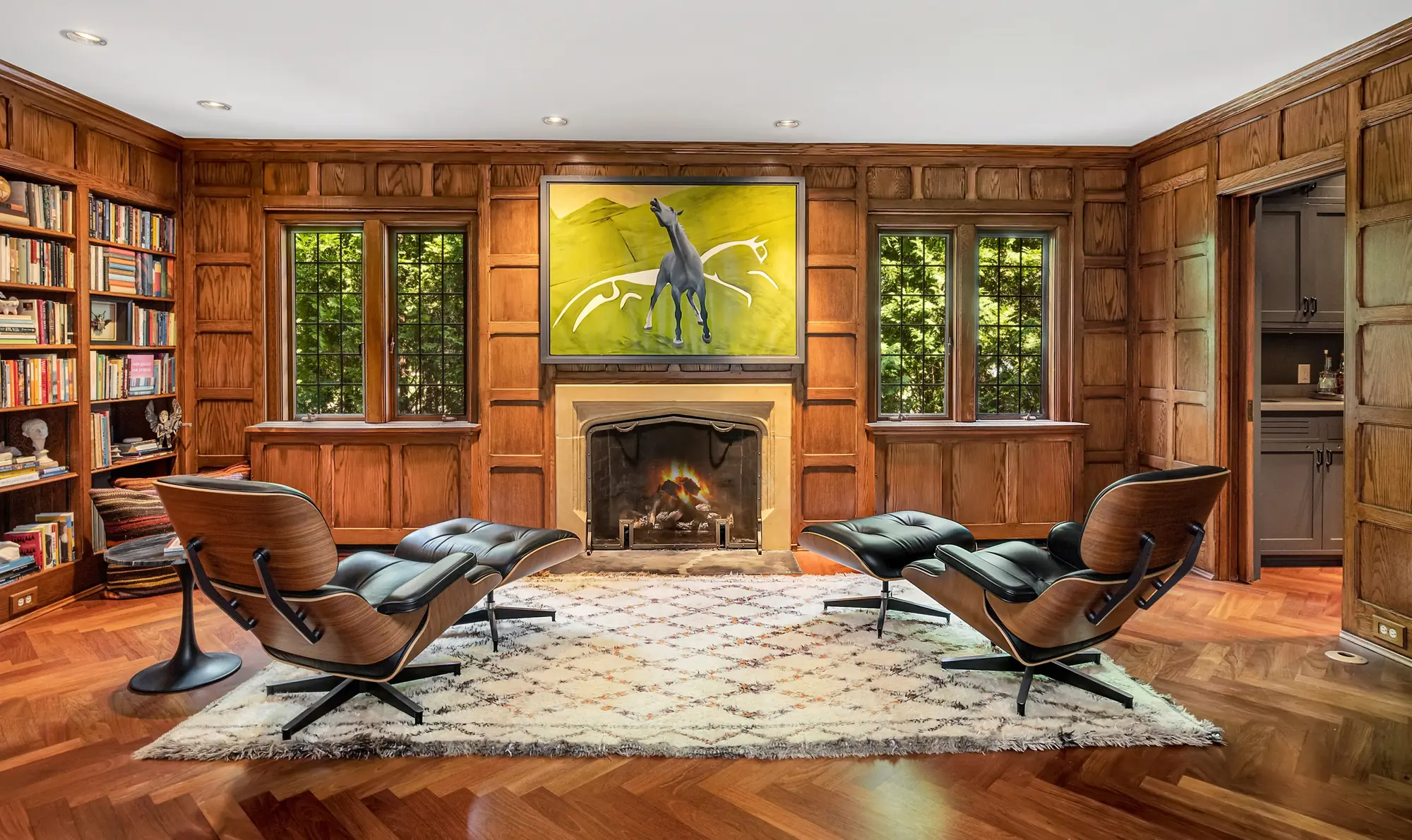
When I represent a seller, I walk their home with that same eye. Not as a checklist, but as a way of seeing the property the way its most discerning buyer will. Here are the 10 things that matter most.
1. Curb Appeal
A buyer's experience of your home begins before they reach the front door. Standing at the curb, they are already forming an impression — of the home itself, the landscaping, the entry sequence, and the overall sense of care.
The discipline here is simple but requires honesty: stand at the curb yourself, with a critical eye, and address what you see. Overgrown shrubs, weeds in the pavers, a weathered front door, a light fixture that has seen better days. Each of these is a small thing. Together they either build or erode confidence before the showing has begun.
2. First Impression
The moment a buyer steps inside, something happens before they register any specific detail. They feel something. That immediate emotional response — open or closed, bright or heavy, cared for or neglected — anchors everything that follows.
That first impression cannot be manufactured, but it can be prepared for. It is shaped by light, by how furniture is arranged, by what greets the eye at the entry. Art, a well-placed lamp, a composed vignette near the front door — these details work on a buyer before conscious thought catches up. Play to them deliberately.
3. Quality of Light
Almost without exception, people want a home filled with light. It is one of the most consistent things I observed across decades of designing homes, and it remains true in every showing I have been part of since.
The preparation here is straightforward: illuminate every light and lamp in the home before a showing. Open every window treatment. Let the home breathe. The difference between a home shown dark and the same home shown fully illuminated is not subtle. Buyers feel it immediately, and it shapes how generously they see everything else.
4. The Kitchen
Buyers gravitate toward updated kitchens, but what they are really responding to is layout and space. A kitchen that feels generous and workable creates confidence regardless of when it was last renovated. A kitchen that feels cluttered and cramped does the opposite, even if the finishes are recent.
The preparation that matters most here is editing. Clear the countertops down to the essentials. Thin out the cabinets and drawers so a buyer can open them and see possibility rather than capacity. The goal is not a staged kitchen that looks like no one cooks in it — it is a kitchen that invites a buyer to picture their own life inside it.
5. Interior Entertaining Spaces
Buyers are not just evaluating square footage. They are imagining how they will live. The living room, the dining room, the family room — these spaces need to feel like the life the buyer wants to step into, not the life the current owner is stepping out of.
This is where thoughtful staging earns its value. Furniture arrangement that creates conversation and flow, art that adds warmth without personalizing too specifically, accessories that suggest a life well lived without cluttering the space. The goal is for a buyer to walk in and think: this feels like us.
6. Exterior Entertaining Spaces
In the North Shore markets I work in — Fox Point, Whitefish Bay, Mequon, River Hills, Bayside, Shorewood, and Milwaukee's East Side & Downtown — outdoor living is a genuine selling point. A well-considered exterior entertaining space adds real value. A neglected one subtracts it.
Landscape and hardscape should be impeccably maintained. The grill should be clean. Patio furniture should be composed and free of weathering. If there is a fire pit, a pergola, or a water feature, it should be in working order and presented as an asset. Buyers are picturing summer evenings. Make it easy for them.
7. Finishes
Walls, woodwork, and flooring carry more weight in a buyer's perception than sellers typically expect. These surfaces are everywhere, and their condition communicates something about the overall care the home has received.
Before listing, walls and trim should be cleaned and touched up wherever marks or nicks are visible. Flooring should be cleaned, and refinished where the wear is evident. Beyond condition, the goal is neutralization — spaces that have been thinned of personal items and personal color read as larger, calmer, and more broadly appealing. Pair that with lights on and window treatments open, and the home presents at its best.
8. Storage
Buyers open everything. Closets, cabinets, the garage, the basement. What they find there tells them a story about how the home has been lived in and maintained.
Closets should be thinned out so they feel generous rather than full. The garage should be clean, organized, and clear enough to communicate usable space. The basement should be dry, bright, and free of any odor — because nothing erodes buyer confidence faster than the suggestion of moisture or neglect below grade. A mechanical room that is clean and accessible signals a home that has been maintained by someone who paid attention.
These are not glamorous preparations. But in my experience, they are among the most persuasive.
The principle behind all of it
Sophisticated buyers in the North Shore markets are not looking for perfection. They are looking for evidence of care — a sense that the home has been maintained thoughtfully, presented honestly, and prepared with their experience in mind.
Every one of the details above contributes to that impression. None of them require a significant investment. What they require is seeing your home the way a buyer will, which is a different kind of seeing than the one that comes from living in it every day.
That is what I bring to every seller I work with. Not just a process, but a way of seeing built over 35 years of designing, building, and developing homes for exactly the buyers who are now in the market for yours.
If you would like to know what I see when I walk through your home, I am happy to share that privately and without expectation.
Richard Ruvin is the lead partner of The Falk Ruvin Gallagher Team, Greater Milwaukee’s #1 ranked real estate team*. Richard has over 35 years of architectural, construction, and development expertise. This background puts you at a decisive advantage. Richard's team achieved $200M+ in sales in 2025, 95% repeat and referral. Richard has been recognized by the Wall Street Journal, Forbes, and Business Week.
*Ranked #1 by 2025 residential sales volume among mega and large real estate teams in the seven-county Milwaukee area. Source: Milwaukee Business Journal, June 26, 2026, compiled from RealTrends Verified data.